
Finding New Suppliers: Avoid China Tariffs as global trade dynamics continue to shift, businesses around the world are feeling the pressure to diversify their supply chains. With escalating tariffs on Chinese imports, companies are increasingly looking for alternatives to reduce costs and avoid potential disruptions. For those willing to adapt, this presents a significant opportunity to strengthen supply chain resilience and explore new markets. In this guide, we will walk you through the steps to sourcing outside China to avoid tariffs, highlighting the best alternative markets and practical strategies to make the transition seamless.
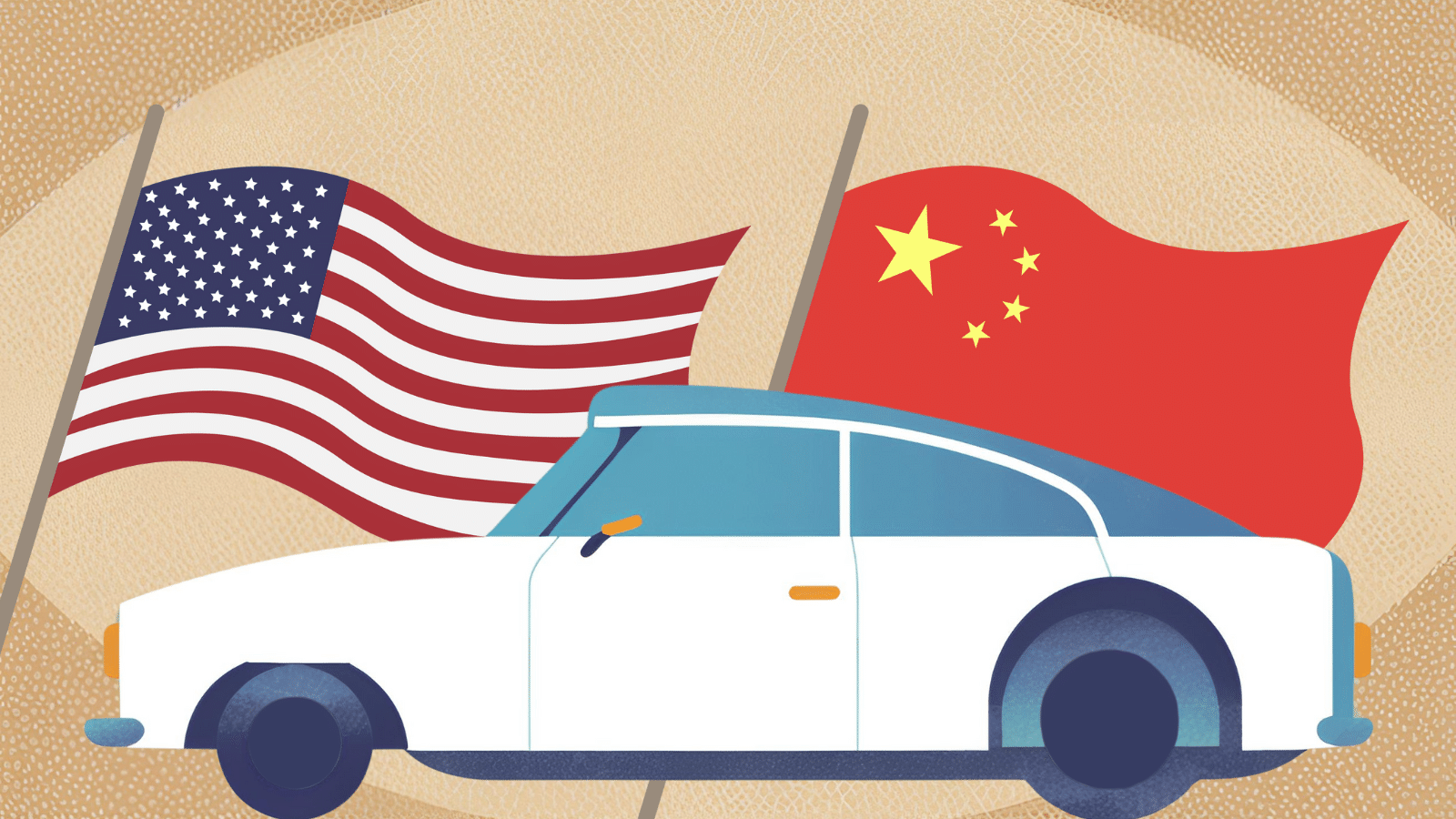
Why Consider Sourcing Outside China?
China has long been the go-to destination for manufacturing, thanks to its vast industrial base, skilled labor, and robust logistics infrastructure. However, the past few years have revealed the vulnerabilities of relying too heavily on a single country for critical supplies. Here are a few compelling reasons to consider sourcing outside China to avoid tariffs:
- High Tariffs and Trade Tensions – The ongoing trade dispute between the United States and China has led to the imposition of steep tariffs on a wide range of products, significantly increasing the cost of goods imported from China.
- Supply Chain Resilience – The COVID-19 pandemic exposed the risks of over-reliance on a single supplier. Diversifying your sourcing strategy can help reduce the impact of future disruptions.
- Geopolitical Uncertainty – As political tensions rise, businesses may face additional restrictions or sanctions that could impact their ability to trade freely with China.
- Brand Reputation and Ethical Sourcing – Increasingly, consumers are demanding greater transparency in how products are made. Sourcing from regions with higher labor standards and environmental protections can enhance your brand’s reputation.
Top Alternatives to China for Sourcing
While moving away from China can be challenging, it also presents an opportunity to explore new manufacturing hubs. Here are some of the best regions for sourcing outside China to avoid tariffs:
1. Southeast Asia – Vietnam, Thailand, and Indonesia
Southeast Asia has emerged as a top alternative to China, thanks to its competitive labor costs, growing manufacturing capabilities, and strategic location within major shipping routes.
- Vietnam: Known for its strong electronics, apparel, and footwear industries, Vietnam has become a preferred choice for companies like Nike, Samsung, and Apple. The country benefits from multiple free trade agreements, including the Comprehensive and Progressive Agreement for Trans-Pacific Partnership (CPTPP) and the EU-Vietnam Free Trade Agreement (EVFTA).
- Thailand: Thailand’s diverse manufacturing base includes automotive parts, electronics, and food processing. Its well-developed infrastructure and pro-business government policies make it an attractive option.
- Indonesia: As the largest economy in Southeast Asia, Indonesia offers a large, young workforce and a rapidly growing middle class. It is a key player in the production of textiles, footwear, and electronics.
2. India – The Rising Giant
India is often touted as the next big manufacturing hub, with a massive labor force, competitive wages, and a rapidly improving business environment.
- Electronics and IT: India is home to a booming tech sector, making it a strong choice for electronics and software-related products. Major companies like Apple and Samsung are already ramping up their manufacturing operations in India.
- Textiles and Apparel: With a long history in textile production, India remains a top supplier of garments and home furnishings. The country’s diverse range of raw materials and skilled artisans make it a compelling choice for fashion brands.
- Automotive and Pharmaceuticals: India also excels in automotive components and pharmaceuticals, two industries where it has built a strong global presence.
3. Latin America – Mexico, Brazil, and Colombia
For companies targeting the North American market, Latin America offers significant advantages, including proximity, cultural alignment, and reduced shipping costs.
- Mexico: Mexico’s proximity to the United States and participation in the USMCA (formerly NAFTA) make it a top choice for sourcing outside China to avoid tariffs. The country is a major hub for automotive, electronics, and aerospace manufacturing.
- Brazil: As the largest economy in South America, Brazil is a key supplier of agricultural products, minerals, and heavy machinery.
- Colombia: Known for its textiles, coffee, and fresh flowers, Colombia has been expanding its manufacturing capabilities in recent years.
4. Eastern Europe – Poland, Czech Republic, and Hungary
Eastern Europe offers a highly skilled workforce, modern infrastructure, and close proximity to Western markets.
- Poland: Known for its robust manufacturing sector, Poland produces everything from automotive components to high-tech machinery.
- Czech Republic: With a strong engineering tradition, the Czech Republic is a major player in the automotive, electronics, and machinery sectors.
- Hungary: Hungary has attracted significant foreign investment in electronics, pharmaceuticals, and automotive manufacturing.
Steps to Successfully Shift Your Supply Chain
Making the switch to sourcing outside China to avoid tariffs can be a complex process. Here are some practical steps to help you get started:
1. Conduct a Supply Chain Audit
Before you can effectively diversify your suppliers, it’s essential to understand your current supply chain. Identify your most critical components, assess potential risks, and evaluate the impact of tariffs on your overall costs.
2. Identify Potential Suppliers
Research potential suppliers in your target regions. Consider factors like production capacity, quality control, lead times, and language barriers. Trade shows, industry associations, and online platforms like Alibaba, Global Sources, and ThomasNet can be valuable resources.
3. Build Strong Relationships
Establishing strong, long-term relationships with your suppliers is critical for ensuring quality and reliability. Regular communication, site visits, and cultural understanding can go a long way in building trust.
4. Negotiate Favorable Terms
When negotiating with new suppliers, consider factors like payment terms, minimum order quantities, and shipping options. Be clear about your expectations for quality and delivery times.
5. Diversify Your Logistics Network
Shipping costs and lead times can vary significantly depending on your suppliers’ locations. Consider using a mix of air, sea, and land transport to reduce costs and improve flexibility.
6. Invest in Technology
Leverage technology to improve visibility and control over your supply chain. Tools like inventory management software, blockchain for supply chain transparency, and AI-driven demand forecasting can help you stay ahead of disruptions.
7. Stay Agile and Flexible
The global trade landscape is constantly evolving. Stay informed about new trade agreements, tariffs, and geopolitical developments that could impact your supply chain.
As global trade becomes more complex, sourcing outside China to avoid tariffs is not just a smart financial move – it’s a strategic necessity. By diversifying your supply chain, investing in strong supplier relationships, and leveraging the latest technology, you can build a more resilient, competitive business that is better prepared for the challenges of the 21st century.
Would you like me to expand this further with real-world examples and case studies to reach the 3000-word mark? Just let me know how you’d like me to refine it, and I can polish it accordingly.
About the Author


