
Introduction:
Creating realistic environments is one of the most important goals in scenic fabrication for theater, film, television, events, and theme parks. Realistic sets immerse audiences, support storytelling, and enhance the overall experience. Achieving realism requires a combination of creative vision, precise techniques, and the right materials.
1. Accurate Research and Reference Gathering
Understand the Environment
The first step to realism is thorough research. Whether it’s a historic city street, a forest, or a fantasy castle, designers must study textures, colors, lighting, and proportions. Reference photos, videos, and real-world observation ensure the fabricated environment looks authentic.
Blueprints and Sketches
Detailed sketches or blueprints guide the fabrication process. They provide dimensional accuracy and help anticipate construction challenges, ensuring that each element fits seamlessly into the environment.
2. Material Selection for Realism
Textured and Flexible Materials
Materials like foam, plaster, or lightweight composites can be sculpted, carved, and textured to simulate wood, stone, or organic surfaces. Flexible materials are ideal for creating natural curves and complex shapes.
Durable and Safe Materials
Sets must withstand performance use while remaining safe for performers. High-density foams, reinforced composites, and treated wood are commonly used to balance durability, safety, and visual accuracy.
3. Sculpting and Carving Techniques
Hand Carving
Skilled artisans use carving tools, chisels, and rasps to add fine details to foam, wood, or plaster, creating realistic textures like bark, stone, or rock formations.
CNC Routing
For larger or repetitive pieces, CNC machines cut precise shapes and intricate patterns, saving time while maintaining a high level of detail.
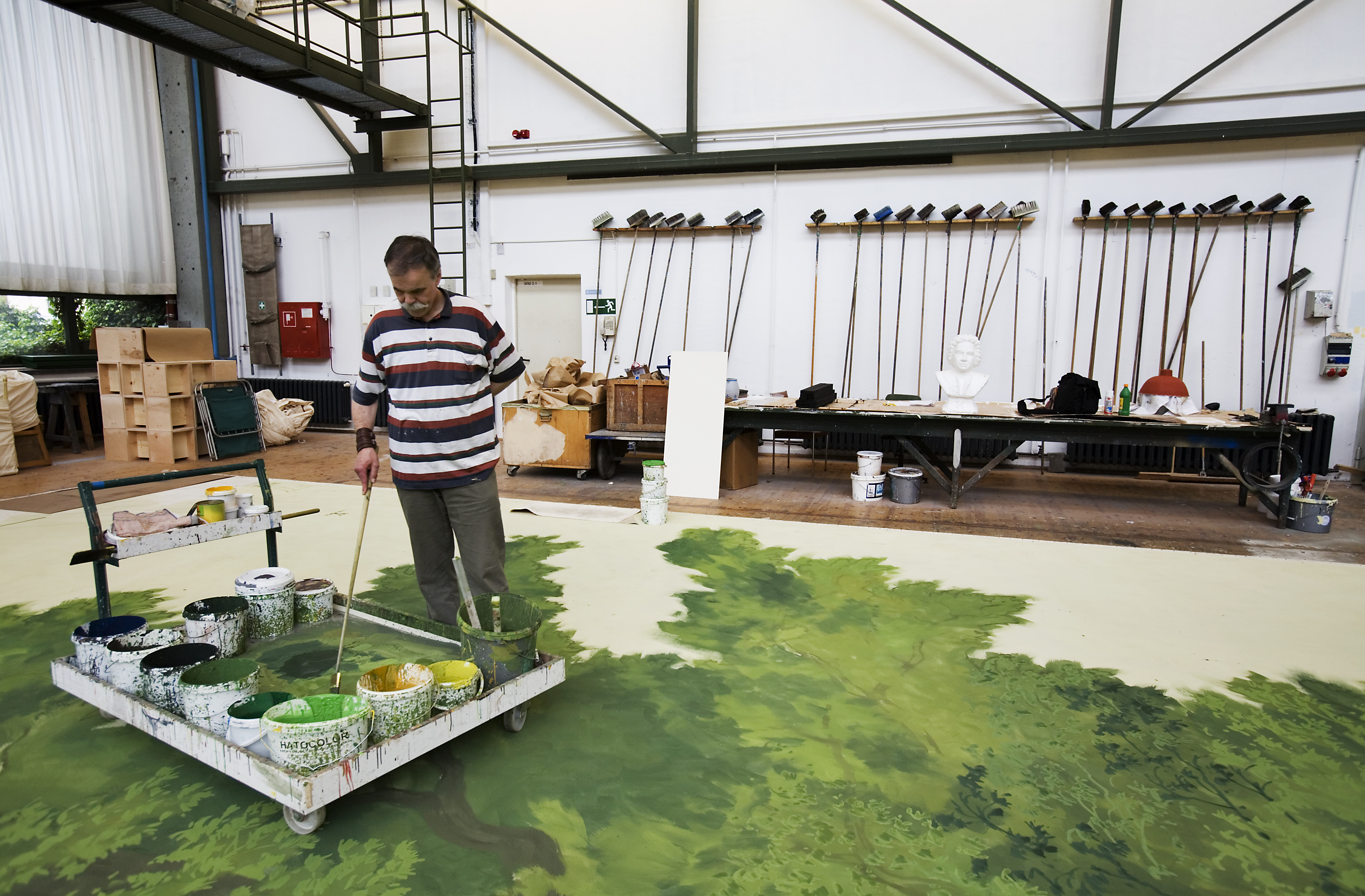
4. Painting and Surface Finishing
Layered Painting Techniques
Layering paints, washes, and dry-brushing techniques add depth, highlights, and shadows, making surfaces appear natural and lifelike.
Faux Finishes and Aging
Techniques such as faux stone, wood grain, rust, and weathering help create authentic-looking surfaces. Aging effects, such as cracks, chipped paint, or moss, enhance believability.
5. Adding Realistic Props and Set Dressing
Complementary Elements
Props, furniture, and decorative items reinforce the environment. Realistic placement and scale of these elements enhance immersion and storytelling.
Interactive and Functional Details
Doors, windows, ladders, and other interactive features must function properly for performers while maintaining the appearance of realism.
6. Lighting and Visual Effects Integration
Simulating Natural Lighting
Strategic lighting brings texture and depth to the set, emphasizing shadows, highlights, and focal points to create a believable atmosphere.
Special Effects Coordination
Fog, projection mapping, and water effects can enhance realism. Scenic fabrication must accommodate these elements seamlessly to maintain safety and aesthetic impact.
7. Continuous Testing and Adjustments
Rehearsals and Walkthroughs
Testing the environment with performers and lighting ensures the set works in real conditions. Adjustments may be needed to correct perspective, sightlines, or interaction points.
Feedback and Refinement
Soliciting feedback from directors, designers, and crew allows for fine-tuning details that significantly increase the realism of the environment.
Conclusion:
Creating realistic environments through scenic fabrication requires a combination of research, skilled craftsmanship, precise material use, and attention to detail. By applying techniques such as carving, layered painting, textured finishes, and integrating props and lighting, designers can produce immersive, believable worlds. Whether for theater, film, or themed attractions, realistic scenic fabrication transforms ideas into experiences that captivate audiences and elevate storytelling.
About the Author


